Pecorino Romano: Sheep’s Milk Cheese, PDO Rules, Uses & Listeria Recall

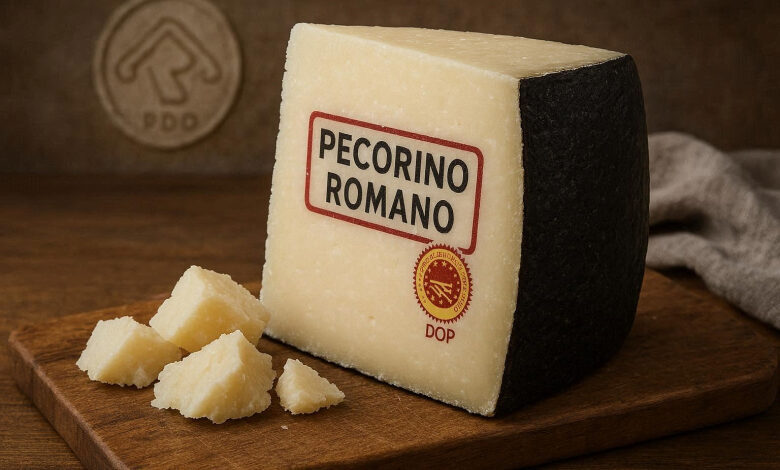
Pecorino Romano is one of Italy’s oldest and most iconic cheeses, made from 100% sheep’s milk and protected under PDO/DOP (Protected Designation of Origin) rules. Known for its sharp, salty flavor and hard grating texture, Pecorino Romano plays a central role in Italian cuisine and global dairy trade. In 2026, the cheese is gaining attention not only for its culinary importance, but also for export demand, strict production regulations, and a major FDA Class I listeria recall affecting grated products.
Table of Contents
ToggleWhat Is Pecorino Romano? PDO Meaning & Origins
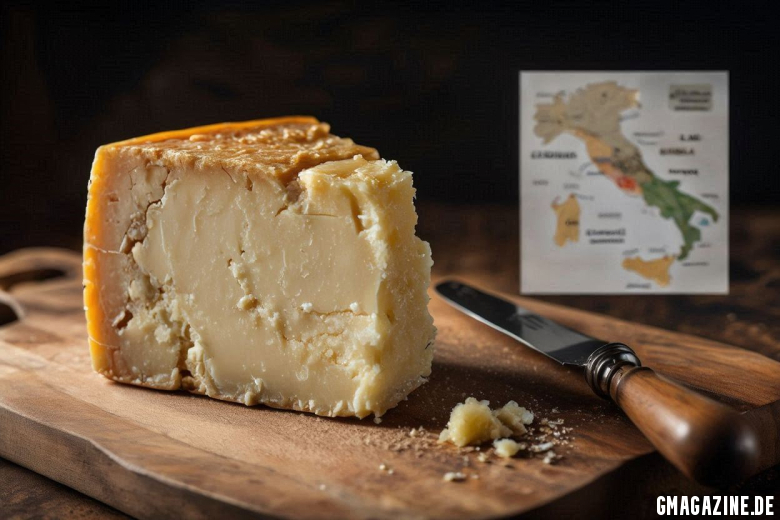
Pecorino Romano is a hard, aged sheep’s milk cheese produced under strict PDO/DOP regulations. Only cheese made in Sardinia, Lazio, and limited areas of Tuscany can legally be labeled Pecorino Romano. These rules protect authenticity and ensure consistent quality, origin, and production methods.
The PDO designation means exporters and importers must comply with labeling and documentation requirements. Any mislabeling or non-compliance can lead to trade enforcement, product detention, or reputational risks. Because production is geographically restricted, Italy remains the primary global exporter.
PDO Rules That Matter for Trade
The PDO specification defines milk sourcing, production steps, and aging requirements. Cheese must be made from sheep raised within approved regions, processed under regulated techniques, and aged according to traditional standards. These restrictions preserve the authentic flavor and maintain international recognition.
Physical Attributes & Flavor Profile
Pecorino Romano is typically sold as whole wheels, wedges, or grated cheese. Its firm, dry texture makes it ideal for grating over pasta and vegetables.
Flavor & Texture Characteristics
- Flavor: Sharp, salty, and intense
- Texture: Hard, brittle, perfect for grating
- Milk Source: 100% sheep’s milk
- Aging: Extended maturation for flavor development
- Industry Position: Value-added seasoning cheese
Because it’s made from sheep’s milk, Pecorino Romano has a stronger taste than cow’s milk cheeses. This intensity makes it a preferred finishing cheese in traditional Roman dishes.
How Pecorino Romano Is Made: PDO Supply Chain
The Pecorino Romano supply chain follows strict PDO production steps. Milk is collected from sheep farms in approved regions. Cheesemakers use rennet coagulation to form curds, which are then molded, pressed, and salted. Wheels are aged for months, developing the cheese’s signature sharpness.
After aging, wheels are cut, packaged, and distributed through refrigerated transport. Grated formats require more careful handling because they are more sensitive to oxidation and moisture. Whole wedges typically have longer shelf life compared to pre-grated products.
Global Market & Trade in 2026
Pecorino Romano is widely exported, with United States demand playing a major role in global pricing. The cheese is popular in retail, foodservice, and restaurant industries, especially as a grating cheese.
Major Exporting & Importing Countries
- Primary Exporter: Italy (PDO-restricted production)
- Major Importer: United States
- Market Coverage: Exported to 134 countries
2026 Price Benchmarks
- US import price: ~9.75–10.58 USD/kg (Feb 2026)
- Export range: 1.53 USD/kg to 37.38 USD/kg
- Ukraine export average: 11.75 USD/kg (+629.6% YoY spike)
Demand is driven by culinary use, PDO prestige, and restaurant industry demand.
Culinary Uses: Why Chefs Love Pecorino Romano
Pecorino Romano is widely used as a grating cheese in classic Italian dishes. Its salty, sharp flavor enhances both simple and complex recipes.
Popular uses include:
- Cacio e Pepe
- Carbonara
- Amatriciana
- Roasted vegetables
- Mashed potatoes
- Cheese boards
Compared to Parmigiano Reggiano, Pecorino Romano is saltier and more intense. Traditional Roman recipes specifically require Pecorino Romano for authenticity.
2026 FDA Class I Listeria Recall
In January 2026, the FDA upgraded a recall of grated Pecorino Romano to Class I, the highest risk level. The recall followed Listeria monocytogenes detection at the Ambriola Company facility in New Jersey. No illnesses were reported, but Class I indicates serious health risk.
Affected Brands
- Ambriola
- Boar’s Head
- Locatelli
- Pinna
- Member’s Mark
Selected Recalled Products
| Brand | Product | Expiration Dates |
|---|---|---|
| Locatelli | 4-oz grated | 05/03/26–05/17/26 |
| Locatelli | 8-oz grated | 04/06/26–05/17/26 |
| Boar’s Head | 6-oz grated | 03/04/26–03/12/26 |
| Member’s Mark | 1.5-lb bag | 03/25/26–04/05/26 |
States Impacted
Distributed in AZ, CA, CO, CT, DE, FL, GA, IL, IN, MA, ME, NJ, NY, OH, OR, PA, TX, VA, WA, WI. Sold through Safeway, Albertsons, Sam’s Club, and Kroger.
Consumers should discard or return affected products. Listeria can cause fever, nausea, and serious complications for pregnant individuals, older adults, and immunocompromised people.
Risks to Pecorino Romano Supply in 2026
Because Pecorino Romano production is geographically concentrated, supply is vulnerable to disruptions. Animal health risks, such as bluetongue outbreaks, can reduce sheep milk availability. Climate stress like drought affects pasture quality and raises feed costs.
Trade policy is another factor. Tariffs on EU cheeses can influence import pricing, especially in the United States, a major market. These risks can create price volatility and supply tightness.
Sustainability Challenges
Producing sheep’s milk cheese presents environmental challenges. Methane emissions, energy-intensive aging, and cold-chain distribution all affect sustainability. Climate change also impacts pasture productivity. Producers are increasingly focusing on efficient feed, renewable energy, and responsible manure management.
How to Buy & Store Pecorino Romano
When purchasing Pecorino Romano, look for the PDO/DOP seal to confirm authenticity. Buying whole wedges instead of pre-grated cheese improves shelf life and flavor. Store the cheese refrigerated, wrapped tightly or vacuum sealed.
Grate only what you need, since pre-grated cheese oxidizes faster. Also check recall notices and expiration dates, especially for grated products.
Bottom line: Pecorino Romano remains the king of Roman grating cheeses in 2026. Its sharp flavor, PDO heritage, and global demand keep it essential in kitchens worldwide — but buyers should verify authenticity and monitor recall updates before serving.